













For years, emerging technology has been defined by familiar devices—the phone in our pocket, the laptop on our desk, the cloud behind our apps. But the ground has shifted. The next era of computing isn’t arriving through a screen we tap or a keyboard we type on.
It’s arriving through interfaces we wear, assistants that anticipate our needs, and platforms that dissolve the boundary between digital and physical life.
In 2026, that shift reaches a new inflection point.
The world’s largest technology companies are no longer experimenting with AI wearables. They’re committing to them—not as accessories, but as the next primary computing platform. What is emerging is a fundamental redefinition of how we access information, communicate, create, and navigate the world.
This isn’t simply another hardware cycle. It’s a platform shift.
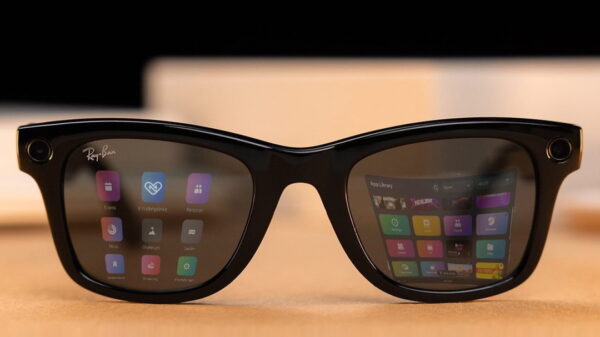
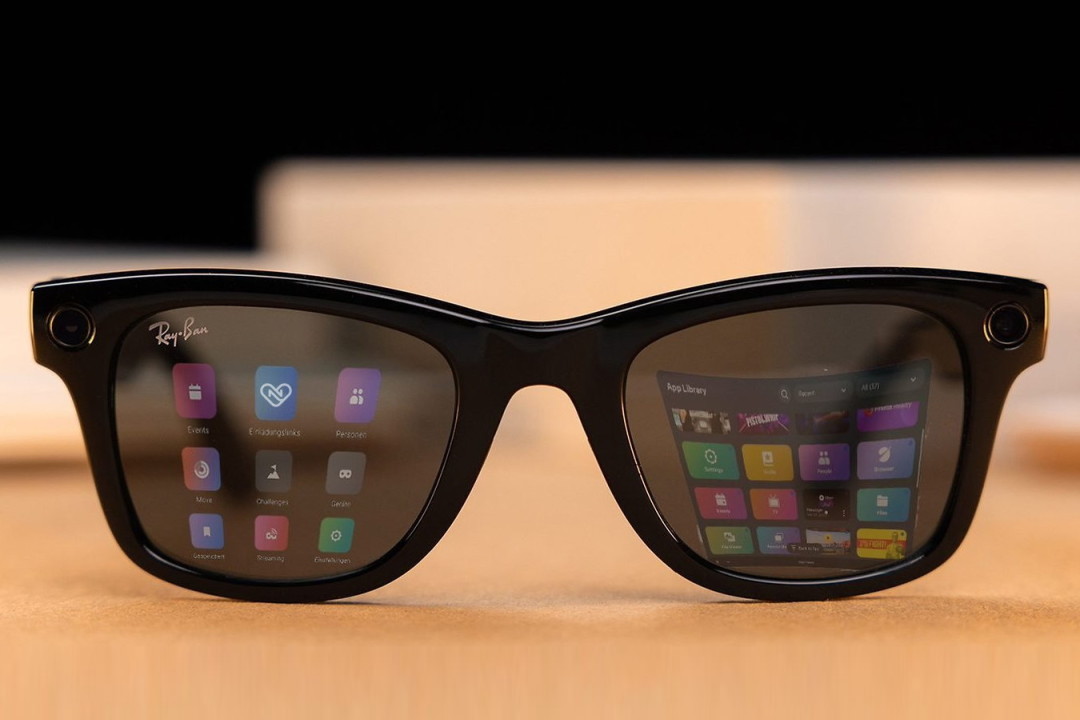
AI-powered glasses, earbuds, and wearable assistants are leading this transformation. By combining artificial intelligence with augmented reality and ambient computing, these devices become less like tools we use and more like extensions of our own perception—understanding context, anticipating needs, and bringing AI into our everyday lives.
Beyond the Interface
The real transformation isn’t the hardware—it’s memory.
Unlike smartphones, these devices don’t simply respond when asked. They continuously observe, understand context, and remember. Within the next few years, millions of people will begin relying on AI to recall conversations, commitments, appointments, and experiences.
Memory itself becomes searchable.
That shift will reshape more than consumer technology. Businesses, governments, and regulators will establish new rules around privacy, consent, and ambient AI, while consumers increasingly ask a different question:
Who can I trust with my digital memory?
In the ambient era, trust, governance, and responsible AI will become as important as processing power or battery life.
The next interface isn’t another screen.
It’s an intelligent companion that quietly understands context, augments memory, and blurs the line between the digital and physical worlds.
The ambient era has begun.