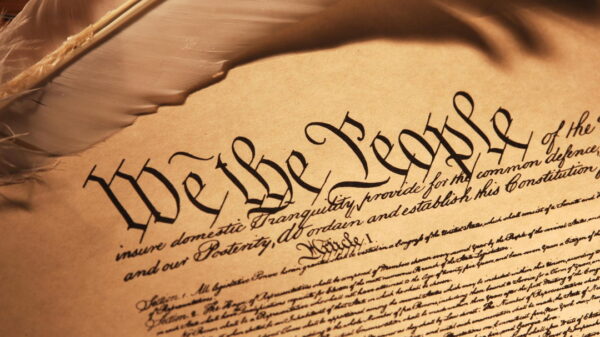







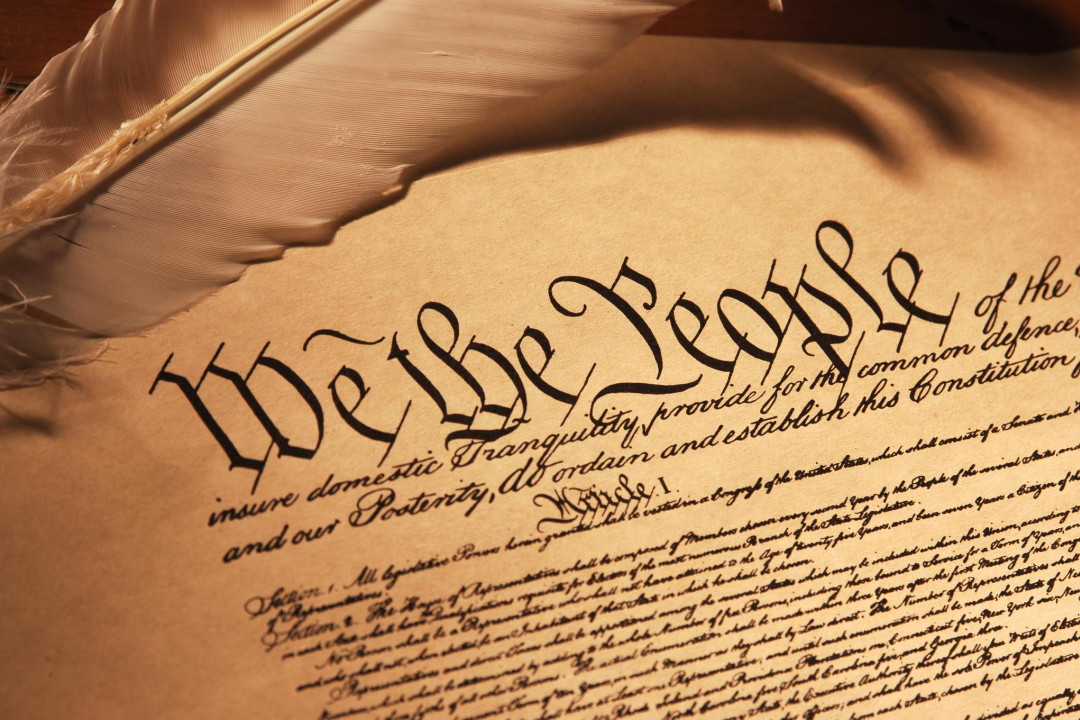
On September 17, 1787, a group of people signed a document designed with the future in mind: creating a framework strong enough to endure, yet adaptable enough to serve generations they would never meet.
It needed a structure designed to endure.
The U.S. Constitution established a framework that distributed authority, created accountability and provided a means for the system itself to evolve over time.
More than two centuries later, there is a lesson in that for entrepreneurs, business leaders, philanthropists and anyone trying to build something meaningful: If the purpose matters, it must be protected by design—not left to hope.
Vision Starts It—Structure Protects It
Most important ideas begin with someone seeing what others cannot yet see.
But vision alone is not enough.
Founders eventually step back. Leaders change. Markets move. Technology evolves. New stakeholders arrive. And, over time, short-term pressures can begin testing the original purpose.
Enduring organizations prepare for those realities by establishing clear principles, responsibilities and protections from the beginning.
Good intentions may launch a mission. Good governance helps it endure.
Leadership Is Not Ownership of the Future
Strong leaders understand that their responsibility is not to control an institution forever. It is to prepare that institution to serve others long after they are gone.
That requires humility.
It means surrounding the mission with trusted people, creating checks and balances, and establishing accountability before it is needed. Most importantly, it means recognizing that stewardship of a meaningful purpose is larger than any one individual—including the founder.
Leadership is not measured only by what we build during our lifetime. It is also measured by whether what we build can continue doing good without us.
Building for People We Will Never Meet
Every generation inherits institutions, communities and opportunities shaped by people who came before them.
Our responsibility is to leave something stronger for those who come next.
For today’s founders, that may mean creating a public benefit company, foundation, purpose trust or another governance model designed to protect a mission through future changes in leadership and ownership.
For communities, it can mean connecting trusted institutions so they can work together—not simply for the next quarter, campaign or leadership term, but across generations.
The legal structure will be different in every case. The principle remains the same:
Purpose has the greatest opportunity to endure when responsibility for protecting it is built into the foundation.
The Real Test of an Idea
The real test of a great idea is not simply whether it attracts attention today.
It is whether it can earn trust, adapt responsibly and continue serving people tomorrow.
On Constitution Day, there is value in remembering that enduring institutions are not sustained by vision alone. They depend on structures that can carry that vision forward as people, circumstances and generations change.
The most consequential builders do more than imagine a better future. They build so the purpose can outlive them.