

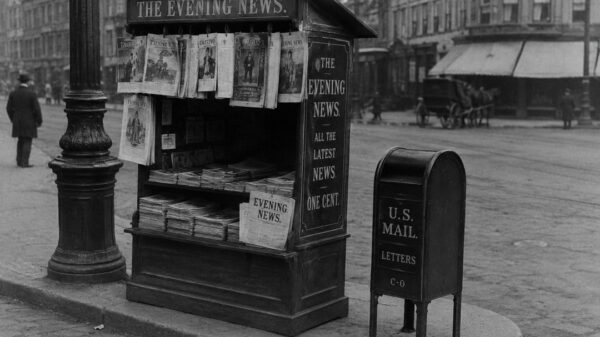


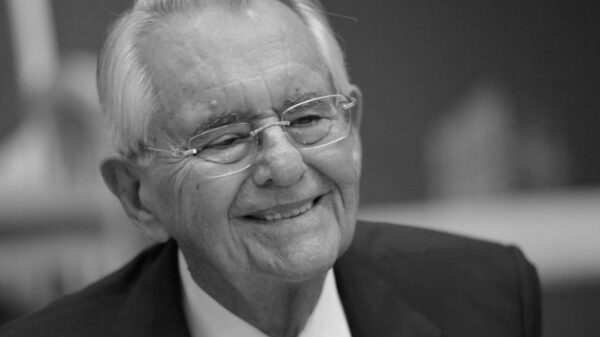


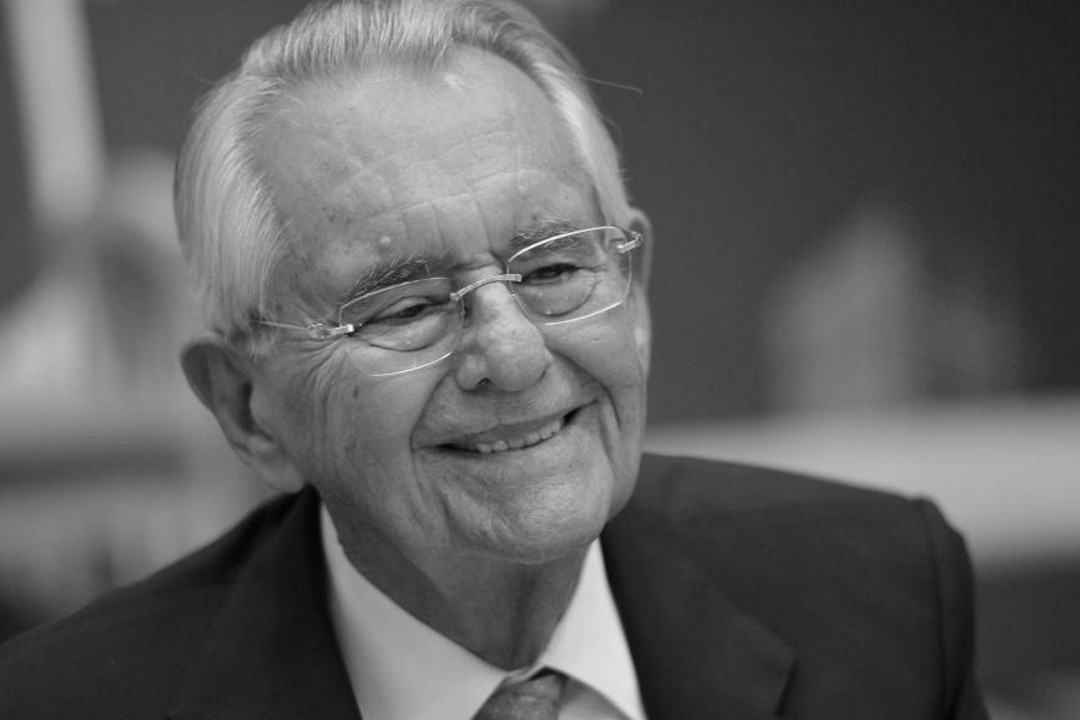
Pete Peterson’s life began far from Wall Street, Washington, or the global institutions he would later shape. Born in Kearney, Nebraska to Greek immigrant parents during the Great Depression, Pete grew up inside the hum of a 24 hour diner — the kind of place that never closed, never paused, and never stopped serving its community.
By age eight, he was already behind the till, learning the rhythms of responsibility, the discipline of showing up, and the quiet dignity of serving people who depended on you. The diner wasn’t glamorous, but it was stable. It was a system — simple, honest, and built on reliability — that kept families afloat and communities connected.
Those early lessons stayed with Pete for the rest of his life.
A Career Built on Service, Stewardship, and Systems That Work
Pete’s path took him from that diner counter to the highest levels of American public service. In 1971, President Richard Nixon appointed him Assistant to the President for International Economic Affairs, and one year later, U.S. Secretary of Commerce. He chaired the National Commission on Productivity, led the U.S.-Soviet Commercial Commission, and later served as Chairman of the Federal Reserve Bank of New York.
In business, he became one of the most influential leaders of his generation — Chairman and CEO of Lehman Brothers, then co-founder of The Blackstone Group in 1985, helping build it into a global force in alternative investments. He led Bell & Howell, worked at McCann Erickson, and shaped major institutions including the Council on Foreign Relations, the Peterson Institute for International Economics, and The Concord Coalition.
Across every chapter, Pete carried the same diner-born belief: systems matter. When systems are stable, transparent, and built for the long term, people thrive.
The Peter G. Peterson Foundation: Protecting the American Dream Through Fiscal Responsibility
In 2008, Pete established the Peter G. Peterson Foundation to confront America’s long-term fiscal challenges and protect the economic future for generations to come. The Foundation is nonpartisan by design — focused not on politics, but on sustainability, stewardship, and the belief that the American Dream should remain accessible to everyone.
Pete understood something simple and profound: A nation cannot promise opportunity if it cannot maintain stability.
The diner taught him that. Blackstone taught him that. Washington taught him that. And the Foundation became his way of ensuring that the systems supporting American life — fiscal, economic, institutional — remain strong enough for future generations to build on.
Why This Story Resonates with T.T.
Pete understood a simple truth: build systems that work for everyday people, and you build futures.
Pete’s journey — from an immigrant family’s 24 hour diner to the forefront of America’s economic conscience — is a reminder that stability is not an abstract concept. It is lived. It is earned. And it is built through institutions that are mission locked, transparent, and accountable to the communities they serve.
His story is not just history. It is a blueprint.
And it’s a call to action for anyone building the next generation of civic, economic, or community infrastructure.