



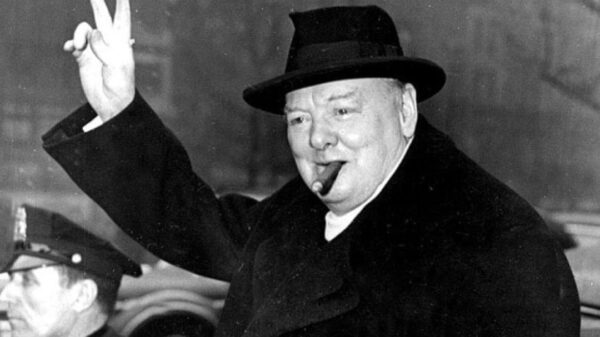









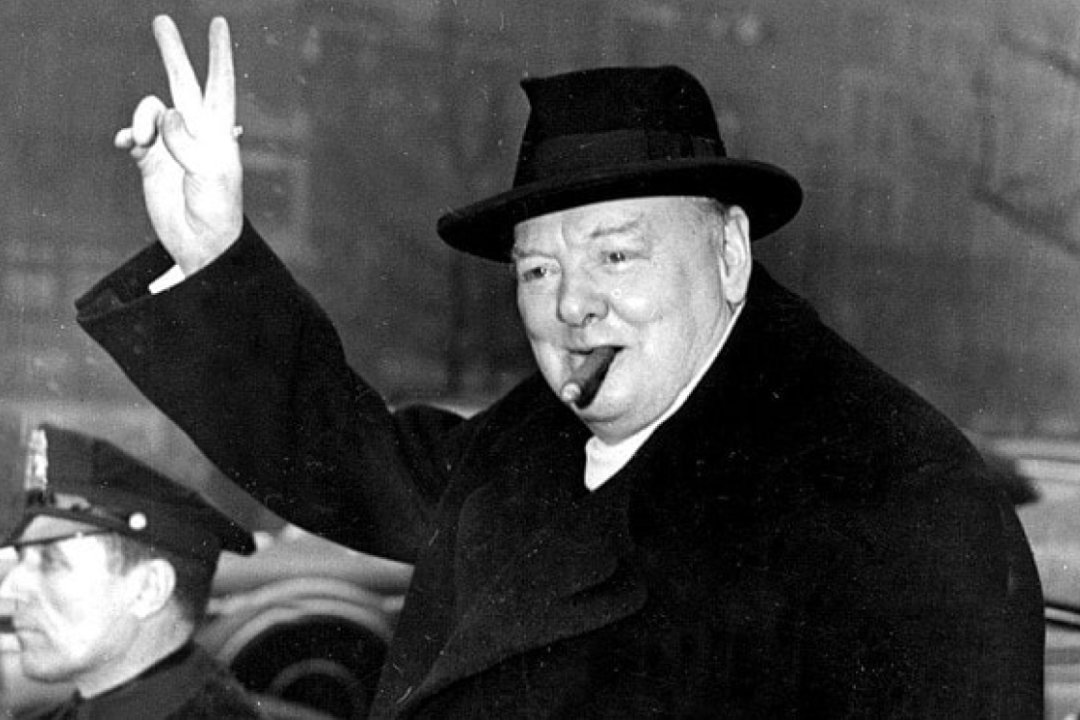
Winston Churchill was not merely a wartime leader; he was a visionary who understood the power of narrative, resilience, and foresight long before the world demanded it of him. From his early life as a soldier and writer to his defining role during World War II, Churchill consistently demonstrated a rare ability to see beyond the immediate moment and act with history in mind.
His belief in shaping the future was unmistakable. Churchill once declared, “Leave the past to history especially as I propose to write that history myself.” This was not arrogance—it was intention. He saw leadership as authorship, where decisions today would become the legacy of tomorrow.
Throughout his career, Churchill moved between roles—soldier, journalist, politician, and statesman—refining both his strategic mind and his command of language. His “sword and pen” duality made him uniquely effective: he could both wage war and explain its purpose, rallying not just armies but entire populations.
Nowhere was his vision more critical than during Britain’s darkest days in World War II. When defeat seemed inevitable, Churchill did not simply react—he reframed reality. His words transformed fear into resolve, most famously when he proclaimed:
“We shall go on to the end, we shall fight in France, we shall fight on the seas and oceans, we shall fight with growing confidence and growing strength in the air, we shall defend our Island, whatever the cost may be, we shall fight on the beaches, we shall fight on the landing grounds, we shall fight in the fields and in the streets, we shall fight in the hills; we shall never surrender.”
This was more than a speech—it was a vision of endurance. Churchill saw victory not as a certainty, but as a commitment.
Even beyond the war, his foresight continued. He recognized the shifting global order and warned of the coming Cold War, coining the concept of an “Iron Curtain” before many fully grasped its implications. Once again, he demonstrated an ability to anticipate the future and prepare others for it.
Churchill’s legacy reminds us that vision is not about predicting outcomes—it’s about shaping them. It’s about standing firm when others hesitate, and speaking clearly when others falter.
In the end, Churchill didn’t just live through history. He helped write it.