






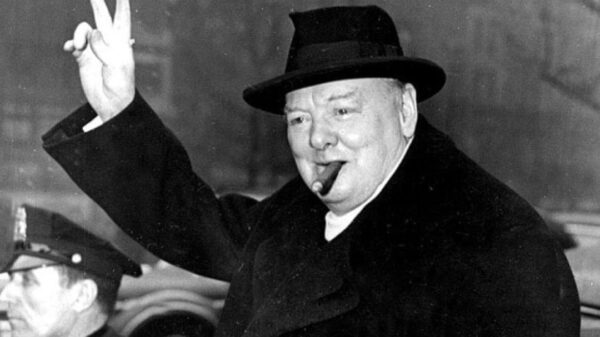



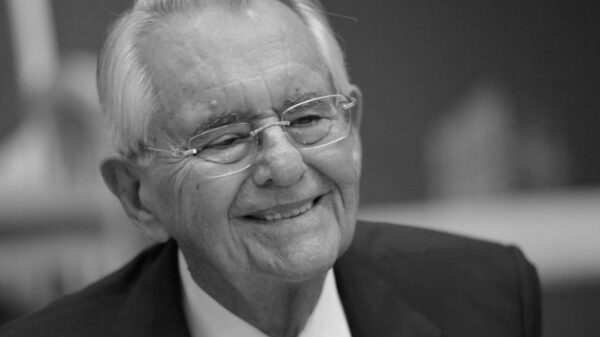





There are moments in history when civic infrastructure quietly shifts — when the work moves beyond personalities and projects and begins forming the backbone of institutions built to last. John D. Rockefeller understood this better than most. When he founded the Rockefeller Foundation in 1913, he wasn’t creating a charity; he was creating a permanent architecture for impact.
The Foundation’s mandate — “to promote the well being of humanity” — became the organizing principle for investments in public health, food security, energy systems, scientific research, and economic resilience. And the magic wasn’t in the mission alone. It was in the structures Rockefeller built to protect that mission. Durable governance. Independent oversight. Transparent stewardship. And the capacity to engage governments, communities, markets, and innovators all at once.
Rockefeller’s Modern Blueprint: The SPPE
A century later, the Rockefeller ecosystem continues to evolve using modern tools — including structures such as RF Catalytic Capital, which pioneered a legally separate vehicle that allows philanthropic capital, private capital, and public systems to work together safely and transparently.
This type of structure is known today as a Special Purpose Philanthropic Entity (SPPE).
An SPPE is not bureaucracy. This is how modern institutions are built.
It is infrastructure — infrastructure for public good.
It is designed to:
- Protect the mission from shifts in leadership or market pressure
- Isolate risk so innovation can happen without endangering core assets
- Invite multi stakeholder participation (governments, institutions, private sector, philanthropy, and community voices)
- Enable transparency, compliance, and global scale oversight
- Ensure continuity long after any founder or leader steps aside
Why Stewardship Matters More Than Leadership
Leadership is temporary. Stewardship is generational.
Rockefeller didn’t set out to run every project, every fund, or every idea. He set out to create a framework that would empower generations of innovators, scientists, and civic leaders to tackle problems he could not possibly anticipate.
The SPPE concept is the modern expression of that same thinking. It says: “This mission is bigger than any single organization, and the structure must reflect that.”
From Initiative to Institution
The true test of any initiative is whether it can become an institution — something with clarity of purpose, guardrails of governance, and the resilience to serve communities for decades.
An SPPE makes that possible.
It creates:
- A neutral, mission anchored home for impact
- A trusted environment for partners who want to contribute without bias
- A foundation-like backbone that can manage scale, data integrity, and long-term outcomes
- An evergreen governance model that aligns with principles used by the world’s most respected philanthropies
The Work Ahead
We are living in a time when communities need infrastructure — not slogans. They need systems that can stand up to economic cycles, political shifts, and technological change. They need mission safe spaces where innovation can be tested, protected, and then deployed widely.
- That is the promise of the SPPE.
- Not charity — but durability.
- Not hierarchy — but stewardship.
- Not a moment — but an institution.
Rockefeller showed the path more than 100 years ago. Today, we build on that legacy — with modern tools, modern governance, and the same timeless principle.